Search Tips
How to find the right contractor for your next project.
The problem, stated
When you need a contractor, you need someone you can trust—and "trust" covers a lot of ground. You need someone who shows up on time, listens to what you actually want instead of pushing an upsell, gives you a straight answer about price, and finishes when they say they will. You need someone who cares about doing the work right, not just collecting a check. The registry exists because that contractor can be hard to find.
The difference between a contractor who builds a lasting relationship with their customers and one who does not is usually not the quality of the work—it is whether they communicate clearly from the first phone call and follow through on what they promise.
This guide walks you through how to narrow the field, ask the questions that actually matter, and recognize when you have found someone worth hiring.
Questions to ask before committing
Are they local and available?
Ask where they are based and whether they serve your town. Some contractors specialize in specific communities; others work across the whole region. Neither is better—but you want to know if they can be there for inspections, repairs or follow-up work without a long drive.
Can they show you completed work?
References matter. A contractor worth hiring has photos of past projects and customer references they can share. If they hesitate or say they do not have any, that is a real warning sign. Actual customers in your area or nearby towns are even better.
Do they give a written estimate?
A professional estimate breaks the work down, says what materials they are using, when the work will start and finish, and how payment is handled. If they quote you over the phone or give you a vague range, keep looking.
What happens if something goes wrong?
Ask about their warranty on materials and workmanship. A quality contractor stands behind what they do. If they say something is "as-is," ask why. New roofing, siding or windows should come with a clear guarantee.
What it should look like when done
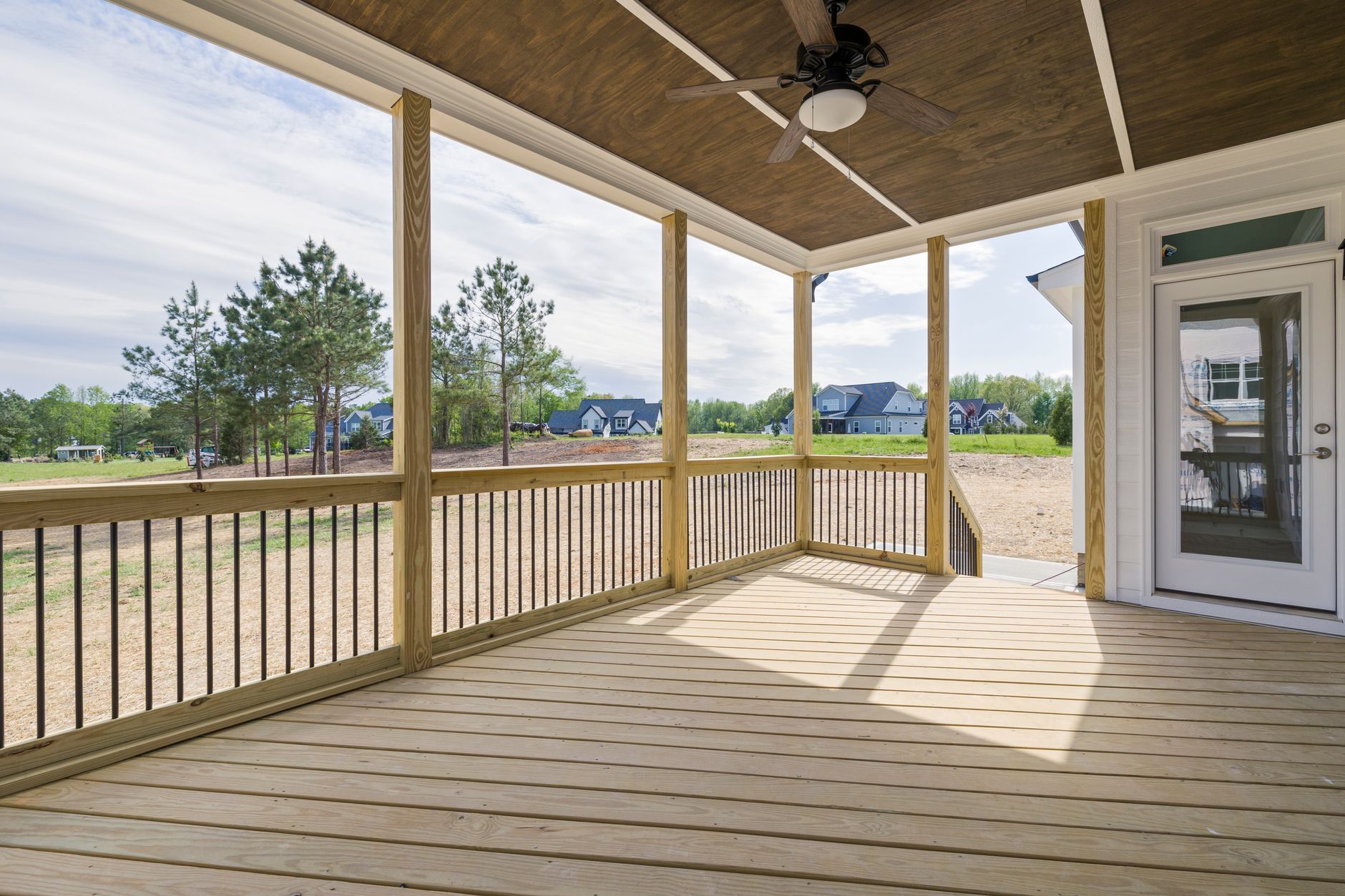
When the work is finished, step back and look. Are the lines straight? Is the finish flush with the house? Is the color consistent? Are there any loose fasteners, mismatched pieces or rough edges? For roofing, ask the contractor to walk the roof with you and point out the key details—how the flashing is sealed, how the edge is finished, how the vents are handled. For siding, check that the seams are tight and the trim is level. For decks, make sure the boards are secure and the railings do not move. A contractor who is proud of the work will want to show you how they did it right.
What to consider first
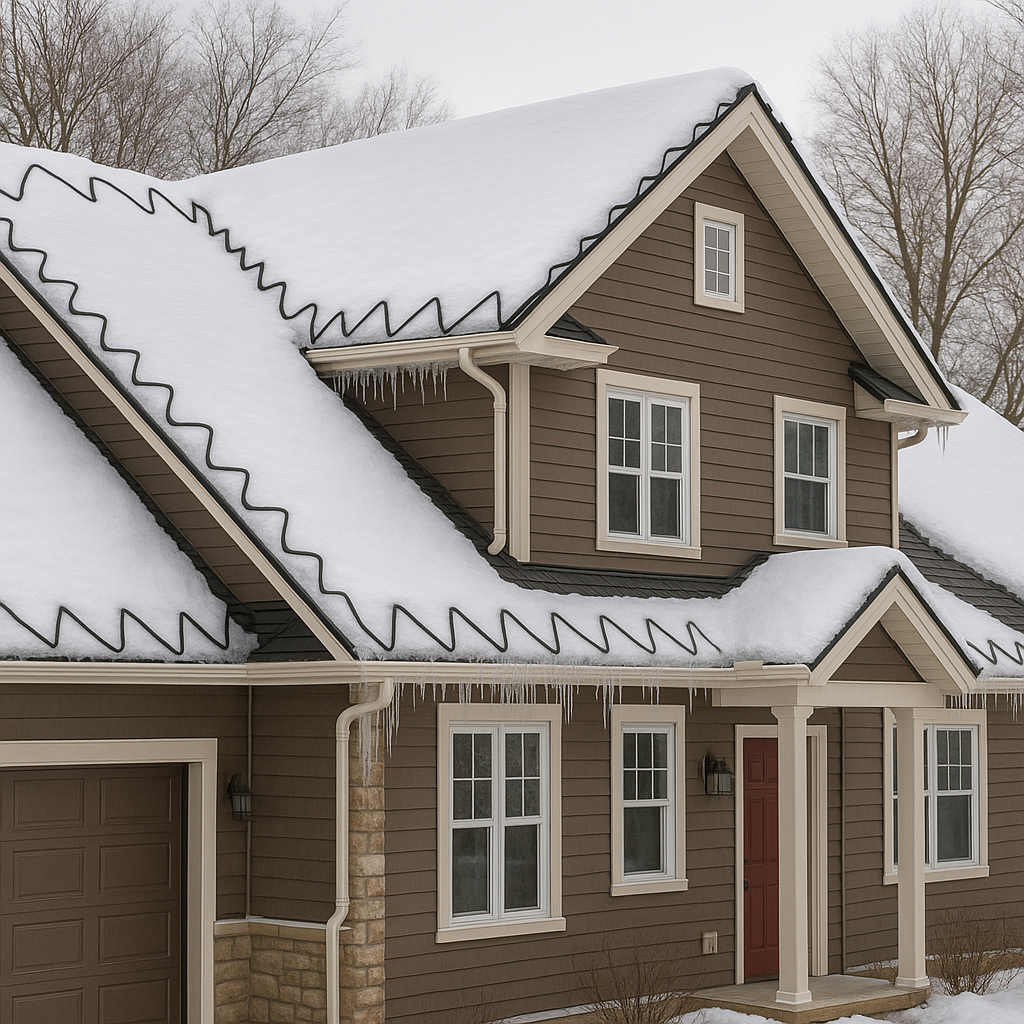
Before you call the first contractor, know what you actually need. If your roof is leaking, you do not necessarily need a new roof—you might just need the leak sealed and some damaged shingles replaced. If your gutters are sagging, it might be because they are clogged with leaves, not because they need to be replaced. Ask a contractor for a free inspection or estimate that includes what is actually wrong, what options you have to fix it, and what each option costs. That gives you a baseline before you talk to anyone else.