Winter Roof Damage in New England: Why It Happens and What to Do
New England winters are unforgiving to roofs. Understanding the three most common forms of damage helps homeowners know when to get a professional assessment.
The hook
Winter in Massachusetts brings more than seasonal beauty. Heavy snow loads, freeze-thaw cycles, and ice dams create forces that test every roof's structural integrity and weatherproofing. Many homeowners notice problems in spring—a leak in the attic after the first warm day, water stains on a ceiling, or icicles the size of baseball bats hanging from the gutters. By then, damage has often been accumulating for weeks or months. The difference between a roof that survives New England winters and one that fails comes down to professional design, materials, and regular inspection. This is not an area where shortcuts matter.
We see three patterns repeatedly among the homes in our Merrimack Valley coverage area. Ice dams form when heat from the attic melts snow on the lower roof, and the water refreezes at the cold eaves, creating a dam that forces water back under the shingles. Snow load damage happens when accumulated snow exceeds what the roof structure was designed to carry—a compressing force that can buckle decking and cause leaks at internal joints. Inadequate ventilation and insulation are often the root cause, not the shingles themselves. Understanding which problem you are facing matters before you call for repairs.
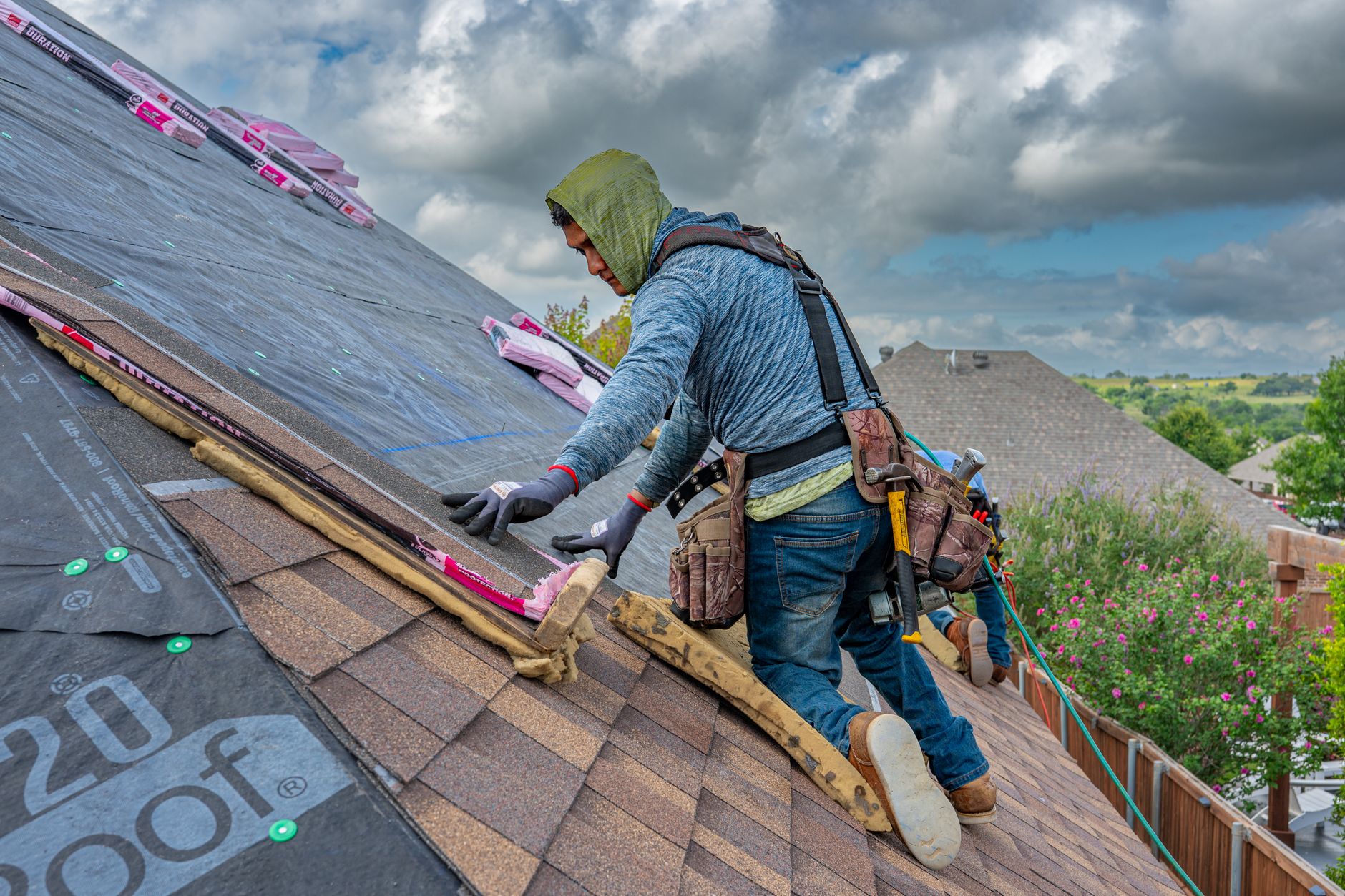
What this looks like in practice
The takeaway

Three steps cut winter damage dramatically. First, have a professional inspect your roof before November every other year, checking attic ventilation, insulation levels, and gutter systems. A contractor who looks only at shingles is missing the cause. Second, keep gutters clear through fall and winter—clogged gutters are the single most common cause of water finding its way into the house. Third, understand your home's attic ventilation. Many homes in our area were built before energy codes required balanced intake and exhaust ventilation. Adding ventilation or insulation without sealing air leaks is wasteful. A professional survey should come before work begins.
What the figures say
45% of ice-dam repairs
come from inadequate attic insulation. When the top of your roof is warm enough to melt snow continuously, the problem is not the shingles—it is heat escaping through the ceiling.
One foot of wet snow
adds about 15 pounds per square foot of load. A typical residential roof is designed to carry 30–40 pounds per square foot of dead load plus snow. Three feet of accumulated powder snow approaches this limit quickly.
December through February
is when ice-dam calls peak in our service area. Once the dam forms, water backs up under shingles and into the structure. Prevention through attic management is far more cost-effective than repair.
The counter-case, fairly put
"Not every roof problem in winter is the contractor's fault—sometimes it is the builder's design from 30 years ago, and no amount of repair fixes it permanently without a full replacement."
Expert insight: Training and technique
This video from roofing trainer John Franco covers how professional inspectors communicate what they find and why a homeowner's understanding of the problem matters more than a low-cost fix. The sales process frames the work—when a contractor has to close fast, shortcuts often follow.